INTRODUCTION:
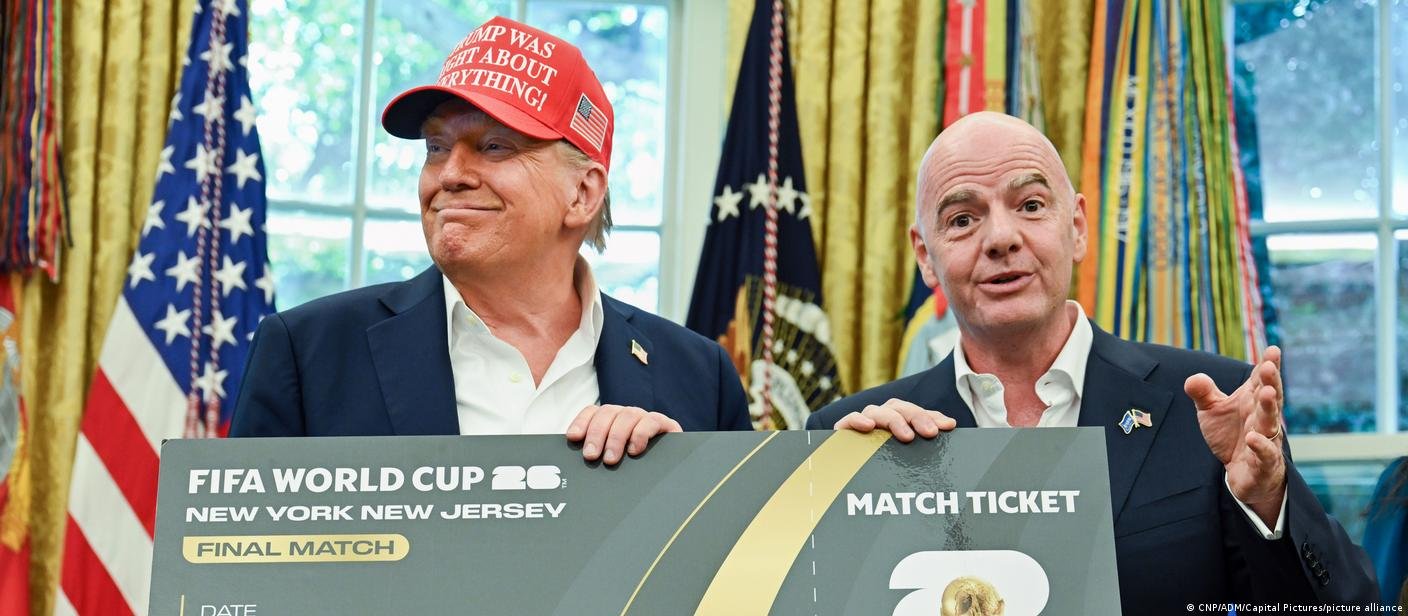
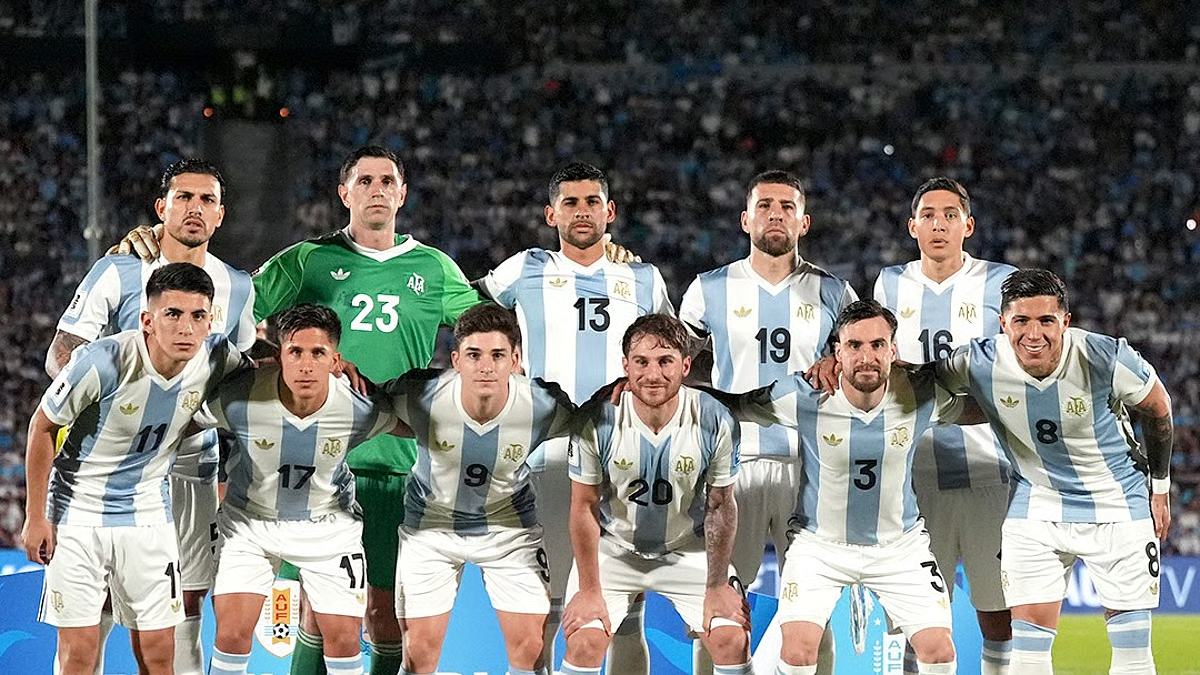
It’s mid May 2026. The FIFA World Cup starts June 11. And India still doesn’t have a confirmed broadcaster. If you’re reading this hoping for clear answers about where you’ll watch Messi’s potential last dance or whether England will bottle it again welcome to the chaos. FIFA wants too much money, Indian broadcasters think it’s overpriced, the Delhi High Court is now involved and there’s a real chance you might end up watching the world’s biggest sporting event on Doordarshan. Yes, that Doordarshan. The same channel your parents watched cricket on in the ’90s. This is sports broadcasting in India in 2026 a beautiful disaster wrapped in negotiations nobody wants to explain properly.
THE THING NOBODY ACTUALLY SAYS OUT LOUD
Here’s the uncomfortable truth: Indian broadcasters don’t think the FIFA World Cup is worth what FIFA thinks it’s worth. FIFA originally wanted close to $100 million for the combined 2026 and 2030 World Cup rights in India, then dropped their expectations significantly. JioStar — the merged Disney-Reliance behemoth that now controls most of India’s sports broadcasting — offered around $20 million for just the 2026 edition. FIFA said no. Sony looked at the deal, did the math on profitability versus late-night match timings from North America, and walked away.
And honestly? You can’t entirely blame them. When matches kick off at 1 PM in Mexico City, that’s 11:30 PM in India. The final could start past midnight on a Sunday. The business model for selling ads during games most viewers will watch half-asleep or skip work for the next day gets complicated fast. The 2022 Qatar World Cup was a dream — perfect evening slots, Viacom18 paid $60 million and streamed it free on JioCinema. This time, geography is working against everyone.
What makes this especially awkward is the power dynamic. JioStar now owns such a massive chunk of India’s sports broadcasting infrastructure that they can basically wait FIFA out. If you’re negotiating with someone who controls 70% of the market and has all the leverage, you’re not really negotiating — you’re hoping they’ll be generous. FIFA has closed deals in over 180 territories worldwide. But India and China — two of the planet’s most populous countries — are still unresolved less than a month before kickoff. That’s not a coincidence. That’s what happens when FIFA’s global pricing strategy meets regional market realities that don’t care about European football economics.
The current most likely scenario? Doordarshan steps in as the fallback option. DD Sports, India’s public broadcaster, could televise matches for free across the country if private networks don’t finalize a deal this week. A lawyer even filed a petition in Delhi High Court demanding the government ensure free-to-air access. So you might get to watch the World Cup the same way India watched the 1983 Cricket World Cup final — on a government-run channel with commentary that feels like it’s from a different decade. Nostalgia no one asked for.
HOW THIS ACTUALLY WORKS THE REAL MECHANICS
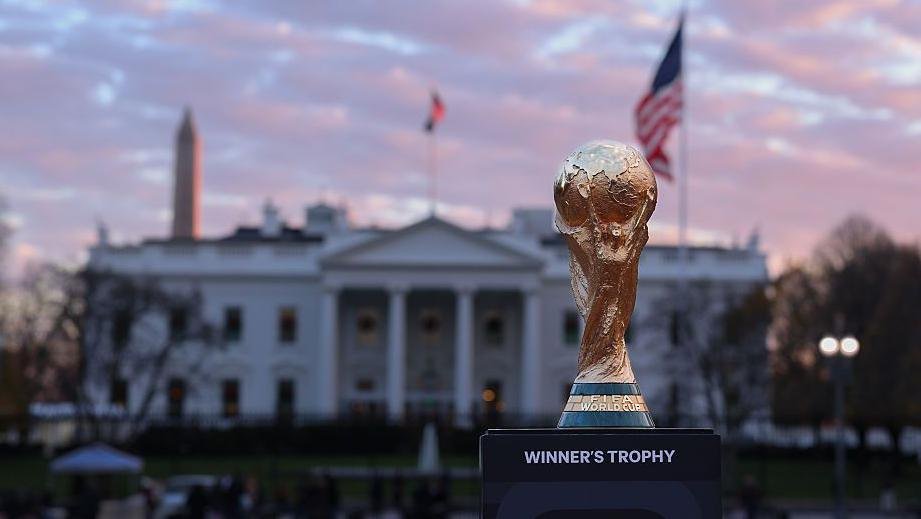
The 2026 FIFA World Cup is the first edition with 48 teams instead of 32, making it the largest men’s World Cup in history. The tournament runs from June 11 to July 19, 2026, jointly hosted across three countries: the United States, Canada, and Mexico. Mexico’s Estadio Azteca in Mexico City will host the opening match — Mexico vs South Africa at 1 PM local time (11:30 PM IST). The final takes place July 19 at MetLife Stadium in New York/New Jersey.
The new format splits 48 teams into 12 groups of four teams each. Each team plays three group-stage matches. The top two teams from every group advance to the knockout stage — that’s 24 teams. But here’s the twist: the eight best third-place teams across all groups also qualify, bringing the knockout stage total to 32 teams. This creates a new Round of 32 that didn’t exist in previous World Cups, which went straight from group stage to Round of 16. From the Round of 32 onward, it’s single-elimination all the way to the final — lose once and you’re out.
The tournament will use 16 stadiums across 16 cities. In the US: MetLife Stadium (New York/New Jersey), AT&T Stadium (Dallas), Mercedes-Benz Stadium (Atlanta), SoFi Stadium (Los Angeles), and eleven total venues. Mexico gets three host cities — Mexico City, Guadalajara, and Monterrey. Canada hosts matches in Vancouver and Toronto. The sheer geographic spread means teams will be flying thousands of miles between group-stage matches, which is either exciting travel content or a logistical nightmare depending on whether you’re a fan or a team physio.
For Indian viewers specifically, the match timings are brutal. Most US-based matches will kick off between 9 PM and 3 AM IST. Mexico and Canada games might land in the 11 PM to 1 AM window. If you’re planning to watch live, prepare for a month of destroyed sleep schedules, 2 AM biryani orders, and explaining to your boss why you look like you haven’t slept since mid-June. The 104 total matches mean nearly every day from June 11 to July 19 will have multiple games — group stage runs through late June, then knockout rounds intensify in July.
Broadcasting options globally:
- United States: Fox Sports and FS1
- United Kingdom: BBC iPlayer and ITVX (free)
- FIFA+: Select matches streamed free worldwide, though not the full tournament
- India: Literally nobody knows yet
The FIFA+ platform will offer some free content — highlights, select matches, behind-the-scenes material. But relying on FIFA+ to watch the entire tournament is like trying to watch IPL through Instagram Reels. Technically possible for fragments, practically useless if you want the full experience.
COMPARISON WHAT’S ACTUALLY DIFFERENT BETWEEN YOUR OPTIONS
The actual recommendation: Wait until June 8 or 9. If JioStar announces a deal, you’re golden — probably free streaming like 2022. If not, DD Sports will likely step in with at least key matches available free. Worst case, budget ₹600-800 for a month of VPN service and stream via BBC iPlayer. Don’t panic-subscribe to expensive international services until you know Doordarshan won’t save you.
WHAT ACTUALLY HAPPENS WHEN YOU TRY THIS
I watched the 2022 Qatar World Cup entirely on JioCinema. Free, smooth 1080p streams, multiple camera angles, decent Hindi and English commentary options, match replays available instantly. It was shockingly good for something that cost nothing. You opened the app, clicked the match, and it just worked. No subscription walls, no “premium tier” nonsense, no buffering during penalty shootouts. For a month, Indian football fans had better free access than people in half of Europe.
This time feels different in a way that’s hard to explain until you’ve spent three weeks checking sports news daily and seeing the same “negotiations ongoing” headline. There’s a specific kind of low-grade anxiety that comes from not knowing if you’ll be able to watch something you’ve been waiting four years for. Most people assume it’ll work out because it always does — some broadcaster swoops in at the last second, crisis averted. But we’re 25 days from kickoff and the usual pattern hasn’t kicked in yet.
What surprised me most while researching this is how little leverage FIFA actually has right now in India. Normally FIFA dictates terms because everyone wants the World Cup. But when you’re negotiating with a merged Disney-Reliance entity that controls most cricket, ISL, Premier League, and IPL rights in India, suddenly you’re the one hoping they’ll agree to your reduced asking price. The power imbalance flipped. JioStar can afford to wait because they know FIFA can’t afford a blackout in a market this size — even if that market won’t pay what FIFA hoped.
THE ADVICE EVERYONE GIVES VS WHAT ACTUALLY WORKS
“Just use a VPN and stream it from another country.”
Technically true. BBC iPlayer and ITVX in the UK will show every match free. A decent VPN like ExpressVPN costs around ₹600-700/month. You connect to a UK server, create a free BBC account with a UK postcode (any valid one works — no verification), and stream in HD. But — and this is the part tech blogs skip — streaming live sports via VPN is inconsistent. If the VPN connection drops mid-match, you’re suddenly watching a blank error screen during a semifinal penalty shootout. VPNs also slow down your connection speed. On a good 100 Mbps fiber line you’ll be fine. On inconsistent 4G or a shared 50 Mbps connection, you’re gambling every time you click play.
“Doordarshan will definitely show it for free, don’t worry.”
Maybe. Reports suggest DD Sports is the frontrunner if private broadcasters don’t finalize deals. The Delhi High Court even issued notices asking the government to ensure free-to-air access. But no official confirmation exists yet. And even if Doordarshan steps in, there’s zero clarity on which matches they’ll broadcast. All 104? Just key matches and knockout rounds? Only the final? Doordarshan airing “select matches” means you might get to watch Argentina-France but miss a crucial group-stage upset at 1 AM that decides who advances. Partial coverage is better than nothing, but it’s not the same as having guaranteed access to every match.
“Wait for JioStar to announce the deal at the last minute.”
This is genuinely the most realistic advice, but it requires accepting uncertainty until literally days before kickoff. JioStar is reportedly in “advanced talks” with FIFA for around $20 million. The deal could be announced this week or early June. If it happens, you’ll likely get the same JioCinema free-streaming setup as 2022 — app-based, no subscription, ad-supported. But “advanced talks” is corporate speak for “we’re still arguing about money.” The longer this drags, the less time any broadcaster has to market the tournament and sell ad inventory, which drives the price down further. It’s a waiting game both sides are playing, and you’re collateral damage.
“FIFA+ will stream everything for free.”
No. FIFA+ will stream select matches and highlights, not the full tournament. FIFA’s own platform is a marketing tool and archive, not a replacement for a proper broadcaster. You’ll get opening ceremonies, some group-stage matches, condensed replays, and behind-the-scenes content. But if you’re planning to watch your team’s Round of 16 match at 3 AM on FIFA+, check the schedule first — there’s a strong chance it won’t be available live.
What actually works: Have a Plan A and Plan B. Plan A: Wait until June 9. If JioStar announces a deal, you’re set. Plan B: If no announcement by June 9, subscribe to a reliable VPN (ExpressVPN, NordVPN, Surfshark) and set up BBC iPlayer access as backup. Budget ₹700 for one month. Test the VPN connection before June 11 to confirm it works on your network. Don’t assume Doordarshan will save you — treat that as Plan C if it happens.
THE PRACTICAL PART WHAT TO ACTUALLY DO
Check JioStar and FIFA’s official channels daily from now until June 9. Follow @FIFAcom on X (formerly Twitter), check JioCinema’s homepage, and search “FIFA World Cup 2026 India broadcast” every couple of days. If a deal gets announced, it’ll break on social media before traditional news picks it up. Set a Google News alert for “FIFA 2026 India broadcast rights” so updates hit your phone automatically.
If you’re going the VPN route, test it this week — not June 10 at 11 PM. Download ExpressVPN, NordVPN, or Surfshark (all have 30-day money-back guarantees). Connect to a UK server. Go to BBC iPlayer’s website. Try to play any live content or recent match replay. If it works smoothly without buffering, you’re good. If it doesn’t load or shows a “this content is not available in your region” error, your VPN isn’t bypassing the geo-block properly — switch servers or try a different VPN before you’re locked in.
Save match schedules offline in IST. Most official FIFA schedules show local US/Mexico/Canada timings. Convert key matches to IST and screenshot or note them somewhere accessible offline. Apps and websites go down during major tournaments — having a simple text note with “June 15, 1:30 AM IST: Spain vs Italy, Group C” means you don’t miss matches because the official app crashed or your internet died while you were checking timings.
Join India-specific football fan communities on Reddit or Discord now. r/IndianFootball and football WhatsApp/Telegram groups will be the fastest source of real-time info once the tournament starts. If Doordarshan suddenly announces they’re showing a match free or if JioCinema’s servers crash and someone finds a working backup stream, you’ll hear about it there first — not from official sources that take hours to update.
Plan your sleep schedule around knockout rounds, not group stage. The group stage has 3-4 matches daily spread across different times. You can’t watch everything live without destroying your health. Pick your priority teams and watch others as replays the next morning. But from the Round of 32 onward (starting late June), single-elimination matches mean every game matters. Block your calendar for key knockout dates if you care about watching live — July 15-19 (semis and final) are non-negotiable if you’re invested.
Have a backup device ready. If you’re streaming on a smart TV and it glitches, can you switch to your phone or laptop instantly? Test your login credentials and app installs on at least two devices before June 11. Nothing worse than your primary device failing during a match and realizing you can’t remember your password or the app won’t install on your backup phone.
Budget for late-night food options. If you’re watching 1 AM matches, you’ll need caffeine and snacks. Map out which late-night delivery options work in your area or stock up on instant noodles and cold coffee supplies. This sounds trivial until you’re starving at 2:30 AM during extra time with no food in the house and Swiggy shows “no restaurants available.”
QUESTIONS PEOPLE ACTUALLY ASK
Will the FIFA World Cup 2026 be shown on TV in India?
Most likely yes, but it’s not confirmed yet as of May 16, 2026. Doordarshan (DD Sports) is the current frontrunner to broadcast matches if private broadcasters like JioStar don’t finalize a deal this week. The Delhi High Court has issued notices to the government asking them to ensure free-to-air access. FIFA is still negotiating with Indian broadcasters, so expect an announcement between now and early June.
Can I watch FIFA World Cup 2026 for free in India?
Possibly. If DD Sports acquires rights, you can watch on free-to-air television without any subscription. If JioStar finalizes their deal, they might offer free streaming via JioCinema like they did in 2022, though that’s not guaranteed. FIFA+ will stream select matches for free globally, but not the full tournament. Using a VPN to access BBC iPlayer (UK) is another free option, though you’ll need to pay for the VPN service itself.
What time do FIFA World Cup 2026 matches start in India?
Most matches will kick off between 11 PM and 3 AM IST due to the tournament being hosted in North America. The opening match (Mexico vs South Africa) starts at 11:30 PM IST on June 11. US East Coast matches typically begin around 1-2 AM IST, while West Coast games can start as late as 3-4 AM IST. This means watching live requires significant sleep schedule adjustments for Indian viewers.
How many teams are playing in FIFA World Cup 2026?
48 teams — an increase from the 32-team format used from 1998 to 2022. They’re divided into 12 groups of four teams each. The top two teams from each group advance, plus the eight best third-place teams, creating a 32-team knockout stage. This expanded format means 104 total matches over 39 days, making it the largest men’s World Cup in history.
Which cities are hosting FIFA World Cup 2026 matches?
16 cities across three countries: 11 in the United States (including New York/New Jersey, Los Angeles, Dallas, Atlanta, Miami, and Seattle), 3 in Mexico (Mexico City, Guadalajara, Monterrey), and 2 in Canada (Vancouver, Toronto). The opening match is at Estadio Azteca in Mexico City, and the final is at MetLife Stadium in New York/New Jersey. Each venue is a major stadium with capacity ranging from 48,000 to 94,000 spectators.
Why hasn’t India announced a World Cup broadcaster yet?
FIFA and Indian broadcasters disagree on pricing. FIFA originally wanted close to $100 million for the 2026 and 2030 tournaments combined, then lowered expectations significantly. JioStar offered around $20 million for 2026 alone, which FIFA rejected. Late-night match timings from North America also reduce the commercial value for Indian broadcasters who struggle to sell premium ad slots for 2 AM games. Sony backed out citing profitability concerns.
Can I use a VPN to watch FIFA World Cup 2026?
Yes. Connecting to a UK VPN server and accessing BBC iPlayer or ITVX gives you free access to all matches. You’ll need a paid VPN service (ExpressVPN, NordVPN or similar, costing around ₹600-700/month) and a free BBC account with any valid UK postcode. Test the connection before the tournament starts to ensure it works smoothly on your network. Stream quality depends on your internet speed and VPN reliability.
What happens if no broadcaster shows the World Cup in India?
The Delhi High Court is involved precisely to prevent this scenario. If private broadcasters don’t finalize deals, Doordarshan (India’s public broadcaster) will likely step in to ensure at least key matches are available free-to-air. FIFA has closed deals in 180+ territories and can’t afford a complete blackout in a market as large as India, even if negotiations are difficult. A last minute deal or government intervention through Prasar Bharati is expected.
Is FIFA+ showing the full World Cup for free?
No. FIFA+ will stream select matches, highlights, and behind-the-scenes content for free, but not every match. It’s designed as a supplementary platform and archive, not a replacement for a full broadcaster. If you’re relying solely on FIFA+ to watch the tournament, you’ll miss most live matches. It works as a backup for highlights and replays, not as your primary viewing method.
SO WHERE DOES THIS LEAVE YOU
You’re less than four weeks from the biggest FIFA World Cup in history and you still don’t know for certain where you’ll watch it. That’s frustrating in a uniquely modern way not because the technology doesn’t exist, but because corporate negotiations and pricing disputes are holding access hostage. The most likely outcome is JioStar finalizes a deal this week or next, offers free streaming like 2022, and everyone forgets this was ever a problem. The second most likely outcome is Doordarshan steps in with free-to-air broadcasts of at least major matches, which is less convenient but functional. The worst-case scenario complete blackout with no broadcaster seems increasingly unlikely given court involvement and FIFA’s desperation to close deals.
One concrete thing you can do today: Set aside ₹700 and sign up for a one-month VPN trial (with money-back guarantee) by June 8. Test BBC iPlayer access this week while there’s still time to troubleshoot. If JioStar or DD Sports announces a deal before June 11, cancel the VPN and get your money back. If they don’t, you have guaranteed access to every match in HD without panic-subscribing to something expensive at the last minute. It’s insurance against the worst outcome.
Accept that the next three weeks will involve checking sports news more often than you’d like. Accept that you might end up watching at least some matches on Doordarshan with commentary that feels like a time machine to 1998. Accept that 2 AM kickoffs mean you’ll either ruin your sleep schedule or watch replays the next morning and spend all day avoiding spoilers. None of this is ideal. But the World Cup happens once every four years, and you’ll figure out how to watch it even if the path there is unnecessarily complicated.
CONCLUSION
You made it through 2,800 words about a tournament that hasn’t started and a broadcast deal that doesn’t exist yet. That’s commitment, or possibly procrastination disguised as research. Here’s the thing they don’t tell you about major sporting events in 2026: access is never guaranteed until the moment you’re actually watching. Deals fall through, apps crash, servers overload, VPNs fail during penalty shootouts. The best you can do is have multiple backup plans and accept that some degree of chaos is baked into the experience. If JioStar announces a deal next week, you’ll forget this article existed. If they don’t, you’ll remember exactly where you read about the VPN workaround. Either way, you’ll watch the World Cup. It just might involve Doordarshan, a 2 AM alarm, and the kind of determination that only comes from waiting four years for 104 matches of football played across three countries while half of India argues about broadcast rights. Enjoy the tournament. Try to sleep occasionally. And maybe keep that VPN budget handy just in case.
META DESCRIPTION:
FIFA World Cup 2026 live in India: No broadcaster yet, DD Sports might save you. Or maybe not. Here’s the complete mess explained.