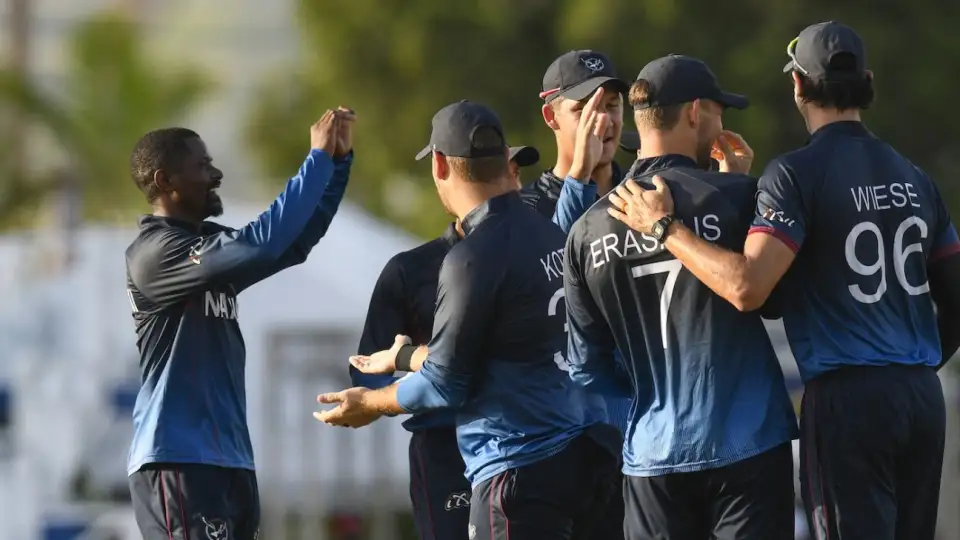
There’s this very specific moment now in Indian cricket fandom. Your dad is scrolling channels, lands on WPL, sees a full stadium and goes, “Accha, yeh bhi chal raha hai?” You, meanwhile, already know Smriti Mandhana’s strike rate this season and which stand in DY Patil has the cheapest tickets. This site is built for you — the people who argue over impact player rules, not “inka over ho gaya kya?”
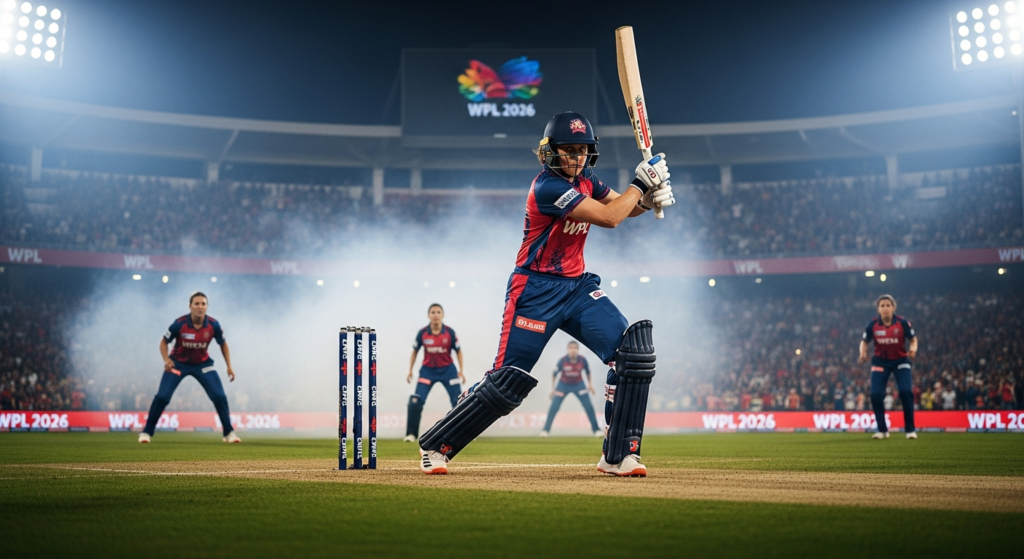
WPL 2026 ran from 9 January to 5 February, across Navi Mumbai, other Indian venues and a packed final in Vadodara. Five teams — Mumbai Indians, Delhi Capitals, Royal Challengers Bengaluru, UP Warriors and Gujarat Giants — played a double round-robin, eight league games each, then playoffs. And by the time RCB pulled off a record chase in the final to win their second title, the “just a side tournament” narrative died quietly in one corner.
So let’s talk about what WPL 2026 actually did — to the game, to the players, and to how you watch cricket now.
THE THING NOBODY ACTUALLY SAYS OUT LOUD
Here’s the part people only say in private: for a lot of Indian fans, WPL started as “diet IPL.” Same colors, same music, shorter reels. You watched a few overs, felt vaguely supportive, and then quietly switched to men’s highlights. But 2026 was the season where that attitude stopped being harmless and started being plain lazy.
By its fourth season, the tournament wasn’t just a “good for women’s cricket” initiative; it was a full franchise ecosystem with repeat narratives, fanbases, and actual dynasties forming. Mumbai Indians and Royal Challengers Bengaluru had already split the first three titles between them — MI in 2023 and 2025, RCB in 2024 — and 2026 turned it into a proper two‑team rivalry era. DC? They became the tragic finalists, losing multiple WPL finals in a row, including 2026 again to RCB.
The finale this season was absurd in that very specific, “this doesn’t feel like some side product” way. Delhi Capitals put up 203/4 — the highest total in a WPL final — powered by Jemimah Rodrigues’ 57 off 37. That alone would’ve been “enough” drama for a women’s league people still pretend is niche. Instead, RCB chased it down with a 165‑run stand between Mandhana (87 off 41) and Georgia Voll (79 off 54), completing the highest successful chase in WPL history and lifting their second title.
Here’s the line most polite coverage avoids: if you can watch that kind of chase and still say “women’s cricket is slow,” you’re not a cricket fan, you’re just outdated. The numbers are already past your stereotypes — totals above 200 in finals, chases crossing 200 in back-to-back seasons, powerplay hitting that looks like IPL 2013 with better fielding.
There’s also the repeat pain no one admits matters: Delhi Capitals have now lost four straight WPL finals. That’s not “cute participation.” That’s an actual sporting tragedy. The kind Netflix will make a docu‑series about in five years while you comment, “I remember watching this live.”
And quietly, 2026 also proved another thing: the famous “no one will come to watch women’s cricket” excuse is dead. Tickets sold through mainstream platforms like District by Zomato, with fans booking online like any other T20 league, and big games drawing serious crowds. The vibe has shifted from “support” to “show up because it’s fun” — which, honestly, is what real equality always looks like. Not charity, just choice.
HOW THIS ACTUALLY WORKS THE REAL MECHANICS
Strip away the hype, and WPL 2026 is a pretty tight little machine. Five teams, same core franchises as the early years — Mumbai Indians, Delhi Capitals, Royal Challengers Bengaluru, UP Warriorz, Gujarat Giants — all run under BCCI with a franchise T20 structure just like IPL. From 2026, the league moved to a January-February window, which quietly changed everything: no clash with IPL prep, clearer calendar slot, and less competition for your attention.
The format was simple but brutal. Double round-robin: each team played the other four twice, giving eight league matches per side. All league games wrapped by 1 February, followed by an Eliminator on 3 February and final on 5 February in Vadodara. Early matches were in Navi Mumbai, including the season opener between Mumbai Indians and RCB on 9 January at DY Patil. So if you felt like every second night had a match that actually mattered, you weren’t imagining it.
What generic articles ignore is this: WPL has already built its own micro-history.
- 2023: Mumbai Indians, led by Harmanpreet Kaur, win the inaugural title beating Delhi Capitals.
- 2024: RCB, under Smriti Mandhana, take their first title, again beating DC in the final.
- 2025: Mumbai Indians strike back and win again, making it 2 titles for MI, 1 for RCB.
- 2026: RCB chase 203 vs DC to claim their second title, tying MI with two trophies each.
That’s a proper tug-of-war for league supremacy, not some token cup rotation.
Now, the niche corner no one explains to you clearly: how this affects your life as a young Indian fan.
- Calendar: January–February means you can warm up with WPL before IPL and international overload kicks in.
- Access: Tickets sit on the same platforms you already use for food and shows, like District by Zomato, making it a “why not” outing if you’re near a venue.
- Watchability: T20 format, prime‑time scheduling, official WPL site and apps for live scores, photos, and clips.
Short version: WPL is set up like IPL, just without 15 years of backstory. The mechanics are already there — franchises, fandom, fixtures, drama. The only missing variable is how seriously you take it.
Here’s a quick list with actual opinions, not brochure language:
- Mumbai Indians Women – The “original” powerhouse; two titles, big‑game experience, Harmanpreet aura. Still the most complete squad on paper.
- Royal Challengers Bengaluru Women – High‑emotion, high‑ceiling team; Mandhana at the front, and two titles now prove it’s not just vibes.
- Delhi Capitals Women – Serial finalists and serial heartbreak merchants; If you love pain, this is your team.
- UP Warriors & Gujarat Giants – Wildcard zones; less silverware, more chaos, and the occasional giant-killing night that flips the table.
Once you see WPL as a structured, evolving league, not an “initiative,” the whole thing clicks: this is just cricket. Fast, messy, emotional cricket. Same as ever.
COMPARISON WHAT’S ACTUALLY DIFFERENT BETWEEN YOUR OPTIONS
Let’s compare the big three identities you can choose as a WPL watcher in 2026.
| Option | What it actually does | Who it’s for | The catch |
|---|---|---|---|
| Casual highlight‑only viewer | Watches final, big chases like RCB’s 204/4 vs DC’s 203/4, and viral clips. | People who follow IPL closely and WPL only when it explodes. | You miss the build-up, league table tension, and players’ growth arcs across seasons. |
| Dedicated WPL team fan | Picks MI, RCB, DC, UPW, or GG and rides every game, checks tables, buys tickets when nearby. | Fans 18–25 who already live on Cricbuzz and ESPNcricinfo. | Emotional damage when DC loses yet another final or your team finishes fourth again. |
| “Support women’s cricket” only fan | Watches because it’s “good to support” but doesn’t engage with tactics, rivalries, stats. | People trying to be nice but not yet hooked by the actual cricket. | Feels like homework; you burn out fast because there’s no real fandom or stakes for you personally. |
If you want this league to actually be fun, not homework, your best bet is the second option: pick a franchise and commit. The moment you start caring whether MI or RCB ends up as the first three-time champion, WPL stops feeling like a project and starts feeling like a proper addiction.
WHAT ACTUALLY HAPPENS WHEN YOU TRY THIS
When you actually try to follow a full WPL season, not just pop in for the final, your brain rewires a bit. The first week, you’re mostly there for the names you already know Mandhana, Harmanpreet, Jemimah, maybe a couple of overseas stars. You check the WPL site, see fixtures, see the same five teams looping, and think, “Okay, small league, cute.”
Then you get to the middle of the season and something shifts. You start recognizing patterns. RCB storming to the top of the WPL 2026 points table after a dominant nine-wicket win? You remember that. Delhi pulling off a ridiculous death‑overs comeback to sneak into the final again? You clock the “DC always finds a way to suffer” storyline. It stops being random matches and starts being an actual plot.
The thing that surprised me the first time I followed WPL start to finish was how quickly the noise about “lower standard” dies once you watch two high‑scoring chases back‑to‑back. In 2026, DC posting 203/4 in the final highest ever WPL final total and then RCB hunting it down with a six-wicket win and two balls remaining isn’t just a “good game for women’s cricket.” It’s just a crazy T20 final. Full stop.
Most people don’t expect how familiar it feels structurally. You’ve got:
- The dominant duopoly: MI and RCB both with two titles now, trading blows across seasons.
- The cursed runner-up: DC losing finals in 2023, 2024, and again in 2026.
- The chaos cards: UP Warriorz and Gujarat Giants pulling the occasional upset that messes with the points table.
What nobody warns you about here is how fast you start caring. One evening you’re just checking scores between study sessions. Next thing you know, you recognize Georgia Voll’s batting tempo, you have opinions on where UPW should bat their overseas all-rounder, and you’re joking about DC’s “finals curse” like it’s a family meme.
And there’s a pattern I don’t see many pieces touch: WPL also quietly changes how you look at women’s international cricket. When these same players show up in India jerseys later, you’re no longer pretending to know them; you’ve seen them bat through pressure chases and defend totals in front of full crowds. The gap between “I support women’s cricket” and “I actually follow it” closes right there.
THE ADVICE EVERYONE GIVES VS WHAT ACTUALLY WORKS
Let’s take some common “advice” around WPL and why half of it doesn’t survive real life.
1. “Just support it yaar, even if you’re not interested.”
Intent is nice. But “just support” without interest turns WPL into homework. You stream a match in the background like a charity task, don’t know the context, don’t pick a side, and eventually stop tuning in. It helps metrics a bit, but it doesn’t build culture.
What actually works: pick one team, one player, and one storyline for the season. Maybe it’s RCB trying to go back-to-back and then tie MI at two titles (which they did this year). Maybe it’s DC trying to finally break the finals curse — and failing again. Give yourself a reason to care , not just a reason to be “good.”
2. “Women’s T20 is slower, you won’t enjoy it if you love IPL.”
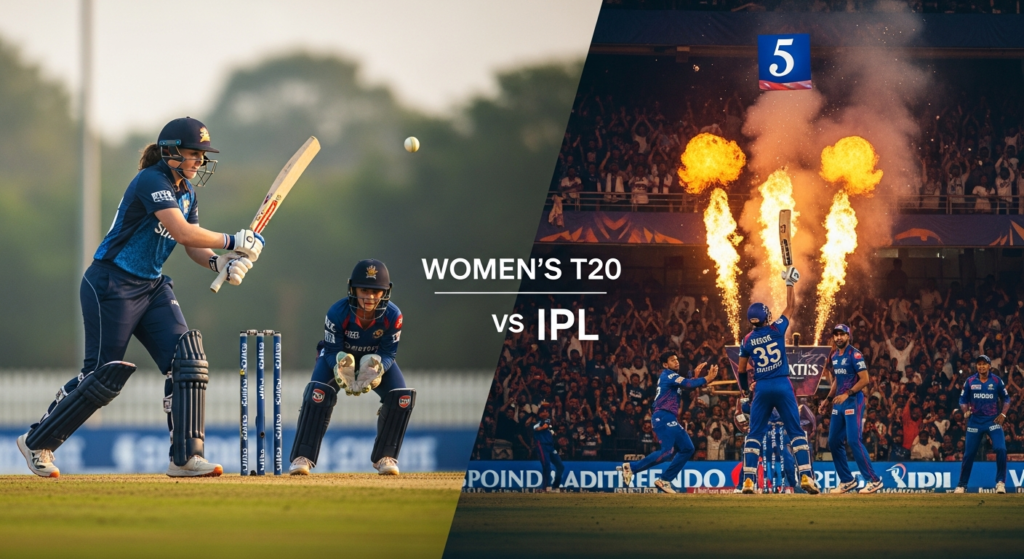
That was an argument in 2023. It aged badly. By 2026, the WPL final itself featured a 203/4 vs 204/4 scenario, with RCB pulling off the highest successful chase in league history and Mandhana striking at more than 200. Across seasons, teams have regularly posted 180+ and crossed 200, and fielding standards keep climbing.
What actually works: judge it like you judge any league. Ask: are there close games, meltdown chases, clutch spells, crowd noise? In 2026, the answer is yes on all fronts. If you can handle low‑scoring men’s games in tricky pitches but call women’s cricket “slow” after watching one clip, that’s bias, not analysis.
3. “You don’t have time to follow WPL and IPL and international cricket.”
Fair fear. The calendar is overloaded. But WPL’s move to January–February from 2026 actually makes it easier — it’s slotting itself as a clean pre‑IPL window. You’re not choosing between this and the men’s league; you’re choosing between this and endless reruns or random YouTube compilations.
What actually works: treat WPL like a mini‑season. It runs under a month (9 Jan–5 Feb 2026), with all league matches done by 1 Feb and just two playoff days after. Commit to watching, say, one team’s games plus playoffs. That’s 8–10 matches. Manageable. More satisfying than doom‑scrolling.
4. “It’s only big because BCCI is forcing it; fans don’t really care.”
Then explain ticket demand, online booking platforms like District by Zomato carrying WPL tickets prominently, and the atmosphere in Vadodara for a 200‑plus final. You can’t fake people queuing, cheering, and crying for four seasons straight.
What actually works: accept that WPL has crossed the “manufactured product” line. The brands and broadcast pushed it, sure, but the actual fun — MI vs RCB rivalry, DC’s pain, late over chaos — is what keeps it alive now.
THE PRACTICAL PART WHAT TO ACTUALLY DO
Here’s how to plug into WPL 2026 (and beyond) like a real fan, not a trend follower.
- Pick your franchise based on personality, not just city.
RCB if you like high-emotion, big-chase energy and Mandhana front-running a record 203 chase. MI if you vibe with “serial winners” energy and Harmanpreet‑led calm dominance. DC if you enjoy eternal hope with repeated final heartbreaks. UPW or GG if you like supporting chaos merchants. - Watch at least one game start to finish, not just highlights.
Choose a match involving your new team and actually sit through all 40 overs. Notice how the tempo builds, how captains use bowlers, how batters pace chases. That’s when you realize the game sense is the same sport you already love, just with different faces. - Use the official WPL site for context.
Before matches, check [the official site] for fixtures, tables, and news. Knowing who needs to win to qualify or how many runs someone needs for the Orange Cap makes even a random Wednesday match feel like a mini‑drama. - Buy a cheap ticket once if you’re near a venue.
If you’re close to Navi Mumbai, Vadodara or any host city, check District by Zomato or official links for ticket prices. WPL tickets are often cheaper than IPL, which means better seats for the cost of one fancy food order. One live match will hook you more than ten streams. - Follow 3-4 players on social and in scorecards.
Pick both Indian and overseas names: a Mandhana or Harman, plus someone like Georgia Voll who just anchored a record chase. Track their season stats — runs, wickets, strike rates — so you start seeing growth, not just one-off knocks. - Treat the finale like an event, not background noise.
The 2026 final in Vadodara delivered a 200+ score and a record chase. Mark finals night on your calendar next season. Watch with friends, order junk food, live‑tweet. The more you ritualise it, the more it feels like your league, not a side show. - Carry that familiarity into women’s internationals.
When India Women play later, you’ll recognize WPL faces instantly. You’ll remember who finished that 203 chase, who defended 10 in the last over, who choked in a final. That’s how fandom deepens — continuity, not just one-off “I watched the World Cup final” claims.
QUESTIONS PEOPLE ACTUALLY ASK
Who won the Women’s Premier League 2026?
Royal Challengers Bengaluru won the WPL 2026 title. They chased down Delhi Capitals’ 203/4 in the final with 204/4, thanks to a massive 165‑run partnership between Smriti Mandhana and Georgia Voll. It was RCB’s second WPL title after their earlier win in 2024.
When was WPL 2026 played and where was the final?
WPL 2026 ran from 9 January to 5 February 2026. The final was held on 5 February in Vadodara, after league matches wrapped up by 1 February and an Eliminator on 3 February. That January-February slot is now the new home window for the league.
Which teams play in the Women’s Premier League?
There are five teams: Mumbai Indians, Delhi Capitals, Royal Challengers Bengaluru, UP Warriors and Gujarat Giants. They play a double round-robin, facing each opponent twice for eight league matches each. Then the top teams move to the Eliminator and final.
Who has won the most WPL titles so far?
As of the 2026 season, Mumbai Indians and Royal Challengers Bengaluru are tied with two titles each. MI won in 2023 and 2025, while RCB lifted trophies in 2024 and 2026. Delhi Capitals have reached multiple finals but are still searching for their first title.
What was special about the WPL 2026 final?
It delivered the highest‑ever total in a WPL final and the highest successful chase in league history. DC scored 203/4 with Jemimah Rodrigues hitting 57 off 37, and RCB replied with 204/4 built on a 165‑run stand between Mandhana and Voll, winning by six wickets with two balls left. It was basically a masterclass in modern T20 batting.
How is the WPL different from the IPL?
Structurally, it’s similar: franchise T20, Indian and overseas players, BCCI‑run, same kind of venues and format. The differences are scale (five teams, shorter season) and the fact it’s a women’s league that started in 2023, so it’s still building its long‑term stories. But the on-field product — big totals, full crowds, recurring rivalries — feels more and more like IPL’s early years.
How can I buy tickets for WPL 2026 matches?
Tickets are sold online through platforms like District by Zomato and official partner links. You can browse the schedule, venues, and prices, then book seats like you would for any T20 game. With WPL’s January slot and often lower prices than IPL, it’s one of the easiest leagues to experience live.
Where can I follow WPL 2026 scores and news?
The official WPL site provides fixtures, live scores, photos, videos and team info. You can also track results and schedules on ESPNcricinfo and Cricbuzz, which have full series pages for WPL 2026. Combine those with social feeds of the teams and a couple of players, and you’re fully plugged in.
Is WPL actually helping women’s cricket in India?
Yes — and not just in a token way. The league gives Indian players high-intensity T20 exposure alongside top overseas talent, under real pressure, with full crowds and live TV. The fact that MI and RCB have already built title legacies and DC have a finals curse shows there’s now a proper competitive ecosystem, not just a once‑in‑a‑year exhibition.
SO WHERE DOES THIS LEAVE YOU?
Real talk: WPL 2026 isn’t asking for your “support” anymore. It’s offering you 200‑plus finals, record chases, repeat title fights and the familiar pain of watching DC lose yet another big one — all the things you already signed up for with men’s cricket. The only question left is whether you treat it like actual cricket or a side quest.
If you’re 18-25, this league is basically growing up in parallel with you. Every January, it drops a new season with the same core cast and slightly higher stakes. MI vs RCB for “who becomes the first three-time champion” is already becoming an annual plotline. The players you half-recognise now will be the ones you’ll swear you “watched from the start” when you’re older.
One concrete thing you can do today? Pick one WPL team, follow their full 2026 campaign retroactively scorecards, highlights, table position and then commit to watching their matches live next season. It’s not perfect, and your friends might still joke “IPL kab shuru hoga?”, but somewhere between your third Mandhana highlight and your first live game, it stops being a cause and quietly becomes your league too.
You got this far, which means you care more about WPL than half the people pretending “I support women’s cricket” on social while never checking a score. That’s the funny part: the league doesn’t need your speech, it needs your watchtime, your arguments, your heartbreak when DC loses again in the 18th over. If there’s one line to keep from all this, let it be: don’t wait for history to be made and turned into a documentary this is the part you’re supposed to be watching live.
Meta description:
Women’s Premier League 2026: RCB, Mandhana, packed stadiums, and your uncle still asking “yeh itna craze kyu hai?” Here’s the real answer, not the PR one.