
The History of Soccer: How the World’s Favourite Sport Was Born
Soccer, or football as most countries call it, is far more than a sport. It is a global language spoken by millions, a passion that cuts across cultures, and a weekly ritual shared by billions. According to FIFA, more than 240 million people play soccer regularly. But the game we see today, with packed stadiums, worldwide tournaments, and superstar athletes, took thousands of years to develop.
Ancient Roots: Where the Idea of Soccer Began
The earliest forms of ball games date back over 2,000 years. Ancient China played cuju, where players kicked a feather-filled leather ball into a net. The Greeks and Romans also had ball games, often used by soldiers for training and recreation. These early games were simple, but they reflected the same excitement and teamwork that define soccer today.
Some historians also point to ancient Mesoamerican cultures, where ball sports were part of religious and competitive traditions. While these games varied widely, they shared one idea: people have always loved kicking a ball and competing.
How England Shaped Modern Soccer
The 19th century in England played the biggest role in shaping soccer into its modern form. Schools, colleges, and clubs all played their own versions of football. Some allowed running with the ball in hand, while others relied only on kicking.
Everything changed in 1863 when the first Football Association (FA) was formed in London. Representatives met to create the first unified rulebook. Their decisions led to a major split between soccer and rugby. Carrying the ball with hands was officially banned, giving rise to “association football,” which later became known as soccer in many countries.
The FA also standardized the size and weight of the ball, creating consistency across matches. This helped transform soccer from a casual local pastime into a structured and organized sport.
Industrialisation and the Rise of Local Clubs
The industrial era accelerated soccer’s growth. As factories multiplied, workers formed football teams, often sponsored by employers. These matches soon turned competitive, attracting large crowds willing to pay for entry. Talented players began earning money, and professional football slowly emerged.
England created the world’s first professional league, the English Football League. This inspired countries across Europe to build their own systems. Germany, for example, kept football amateur until 1949, when semi-professional leagues began. The Bundesliga was officially launched in the 1963/64 season, with only 16 clubs selected from 46 applicants based on performance and financial stability. In 2001, Germany formed the DFL to oversee the league professionally.
The Spread of Soccer Beyond Europe
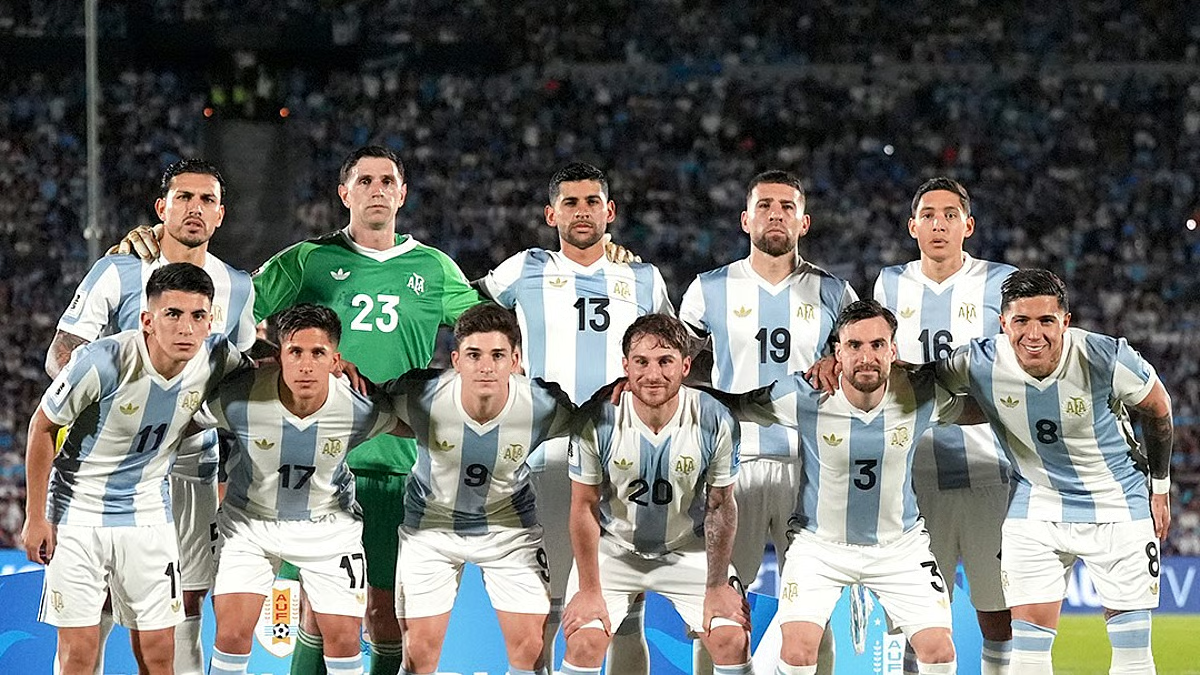
British sailors, traders, and students helped spread soccer worldwide. South America adopted it quickly, with countries like Brazil, Argentina, and Uruguay becoming footballing giants known for producing legendary talent.
In the United States, soccer took longer to develop due to competition from American football and baseball. Early leagues used the term “football” until confusion forced a shift toward “soccer” in the early 1900s.
Two professional leagues launched in 1967 and merged in 1968 to create the North American Soccer League (NASL). Although the NASL collapsed, it laid strong groundwork for future soccer growth in the US.
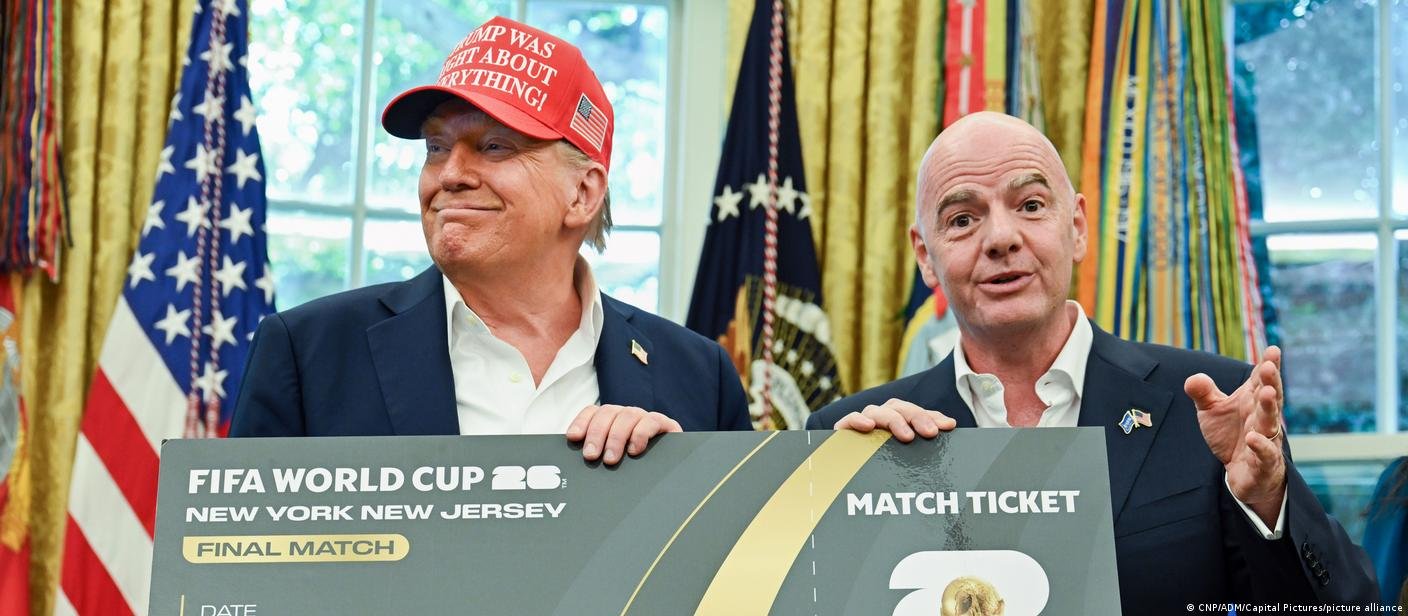
When the US hosted the 1994 FIFA World Cup, one major commitment was creating a professional outdoor league. This led to the birth of Major League Soccer (MLS) in 1996, which has now grown into a popular and internationally respected league.
Club Competitions Take Shape
As domestic leagues expanded, clubs wanted chances to compete internationally. Europe created tournaments that eventually became the UEFA Champions League, now one of the most prestigious competitions in sports. Similarly, the Americas formed the CONCACAF Champions League.
In 2000, FIFA introduced the Club World Cup, featuring champions from every continent. Since 2005, it has been held annually, giving club football a global platform.
The Rise of International Soccer
Only a handful of national teams existed in the late 1800s. England and Scotland played one of the earliest international matches. The US formed its national team in 1885, and Germany followed in 1908.
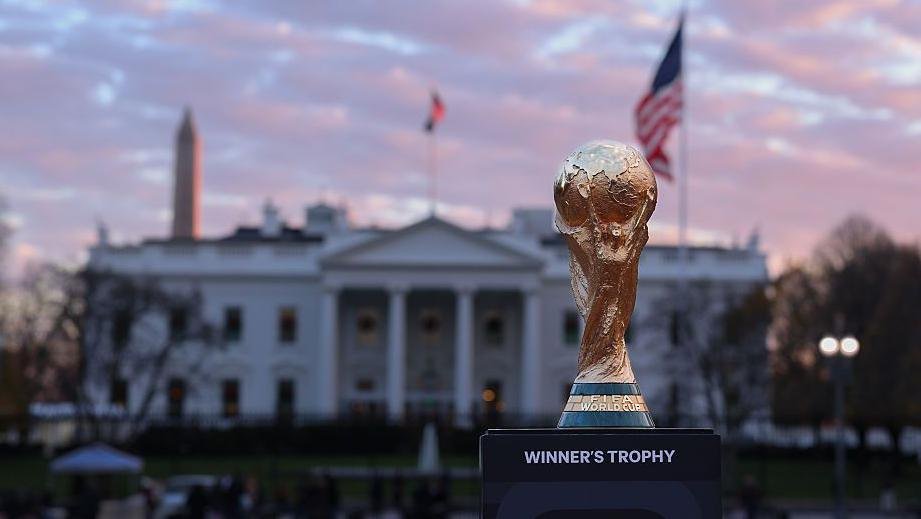
Soccer entered the Olympics in 1900, but the biggest development was the creation of the FIFA World Cup in 1930. Uruguay hosted the inaugural edition, and the event quickly grew into the world’s most-watched sporting tournament. Except for breaks during World War II, the World Cup has taken place every four years.
The UEFA European Championship (the Euros) started in 1960 and occurs every four years. For the North American region, the CONCACAF Gold Cup determines the continental champion every two years.
A Global Sport United Under FIFA
Today, FIFA governs 211 national associations—more than the United Nations. Football is structured into six confederations: AFC, CAF, UEFA, CONCACAF, OFC, and CONMEBOL.
While just 32 nations took part in World Cup qualifiers in 1934, over 200 participate today. This dramatic growth highlights soccer’s universal appeal and deep integration into cultures worldwide.
Why Soccer Became the World’s Game
One reason for soccer’s massive popularity is its simplicity. All you need is a ball and enough space to play. The rules are universal, the game is easy to learn, and the excitement is instant. Whether it’s a huge stadium, a small turf field, or an open street, soccer brings people together.
The sport continues to evolve through improved technology, modern stadiums, video assistant referees (VAR), and advanced training methods. Yet its heart remains the same: teamwork, passion, and the thrill of scoring a goal.
Soccer’s history is long, rich, and still growing. Every match, every fan, and every new generation adds to the story of the world’s most beloved sport.
For More Sport Information Click Here